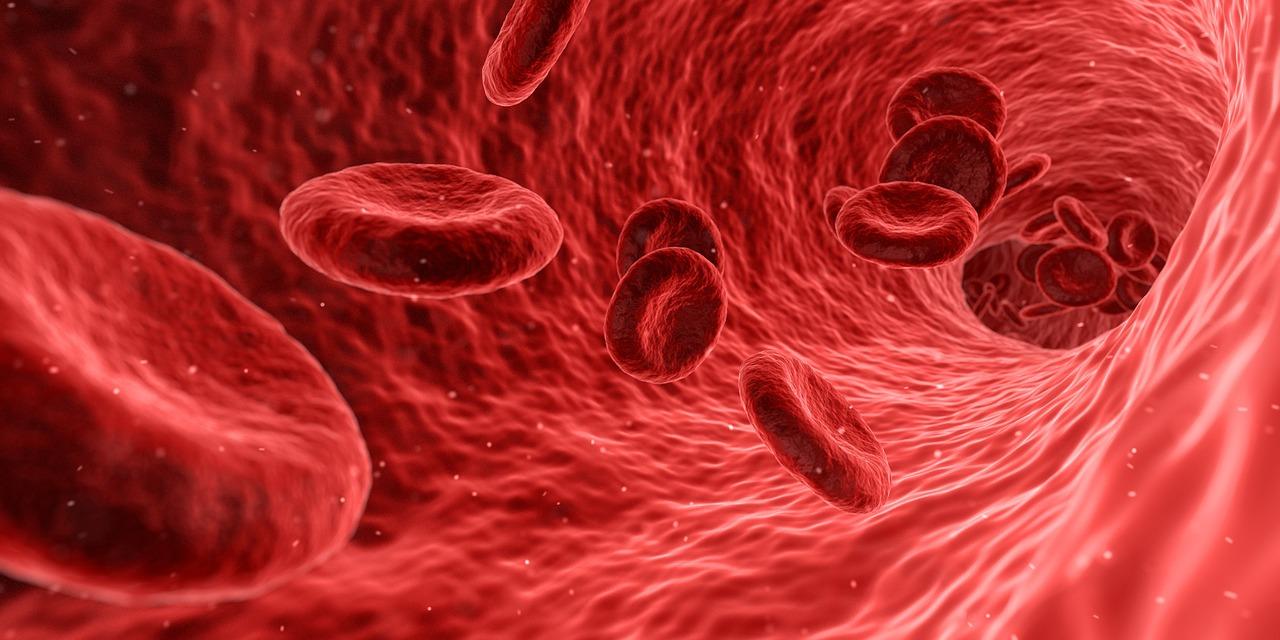
Platelets are best known for stopping bleeding. They are small, have no nucleus, and carry granules that release their contents when a platelet encounters damaged tissue. During my PhD at the University of Cambridge, I asked whether that release mechanism could be turned into a targeted drug-delivery system.

I worked with platelets produced from stem-cell-derived megakaryocytes in vitro. We engineered their alpha granules in two ways: genetically, through lentiviral transduction, and passively, through endocytosis. The aim was to load them with Factor VIIa, a recombinant clotting factor used to treat severe bleeding, and then test the engineered platelets in mouse models.
The central question was translational rather than purely technical. Systemic Factor VIIa can have serious thrombotic side-effects. A platelet that releases its cargo preferentially at a site of injury could, in principle, preserve the therapeutic effect while limiting exposure elsewhere.
The project brought together stem-cell culture, platelet biology, genetic engineering and animal models. It also taught me to frame engineering decisions around the clinical constraint: not simply whether a system can carry a drug, but whether it can deliver it at the moment and place where it is needed.
What the work established
- Stem-cell-derived megakaryocytes can be engineered to package Factor VIIa in platelet granules.
- Human platelet transfusion can be studied in mouse models of haemostasis.
- Platelet activation offers a plausible trigger for local rather than systemic delivery.